Skip to content

PETA2A · OPC

Your one-person pet film studio
From your first film to your first commercial opportunity.

Free online learning: master pet AI drama and commerce content from home.

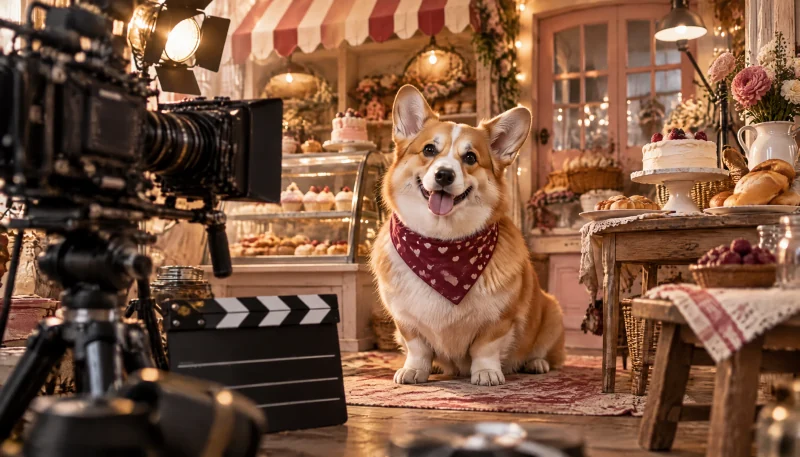
Concept of pets and creators on a film set
01

Learn and create

Finish a piece of work with every lesson.

02

Build a portfolio

Publish 10 valid works.

03

Connect to opportunities

Receive merchant invitations and start commercial work.

Pet Story Academy

Study by course and chapter, read the guide, do the exercise and pick up where you left off.

Enter the academy

THE CURRICULUM

Turn every lesson into a piece of work.

24 lessons available

01Pet characters and story basics

4 lessons

Pet characters and visual consistency

Make your pet recognizable, then make it memorable.

Key points
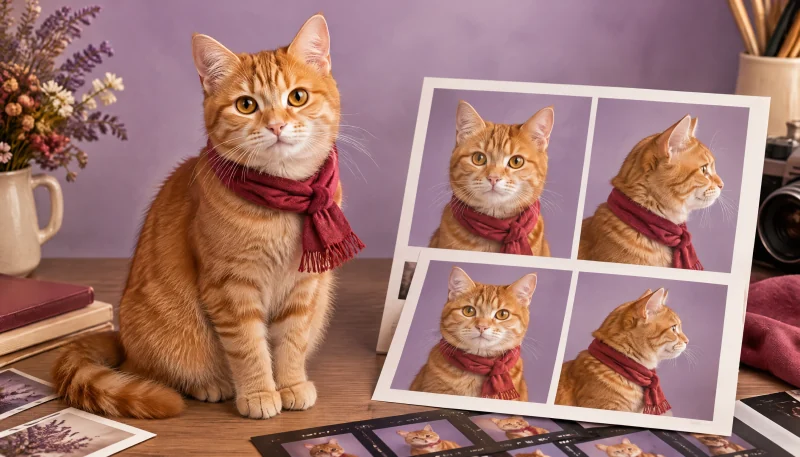
  • Choose front, side and full-body photos. Identify fur, markings, ears and proportions without filters changing key traits.
  • Define the character with one daily habit and one contrast, such as being serious about work but distracted by treats.
  • Keep a fixed-traits checklist for every scene. Expressions and actions may change; the character's identity should not.
Assignment

Create a character card for your pet with three visual traits, one personality contrast, one recurring accessory and three reference photos.
Ideas, conflict and a three-part story

A small goal can carry a complete story.

Key points
  • Find ideas in meals, walks, a favorite bed or companionship. Make the goal clear in the opening.
  • Add a small obstacle that can be shown on screen instead of explaining everything in narration.
  • Make the ending answer the opening. Resolve the twist with an action or short line rather than an unrelated new character.
Assignment

Write a three-sentence story: what your pet wants, what gets in the way and how it resolves the problem. Give each sentence a visible action.

Framing, composition and visual storytelling

Use framing to show relationships and emotion.

Key points
  • Use wide shots for place, medium shots for action and close-ups for reactions. Give every image a clear purpose.
  • Sketch eyelines, movement and subject positions so left and right remain clear across cuts.
  • Leave room for captions and platform controls. Check the subject separately in portrait and landscape framing.
Assignment

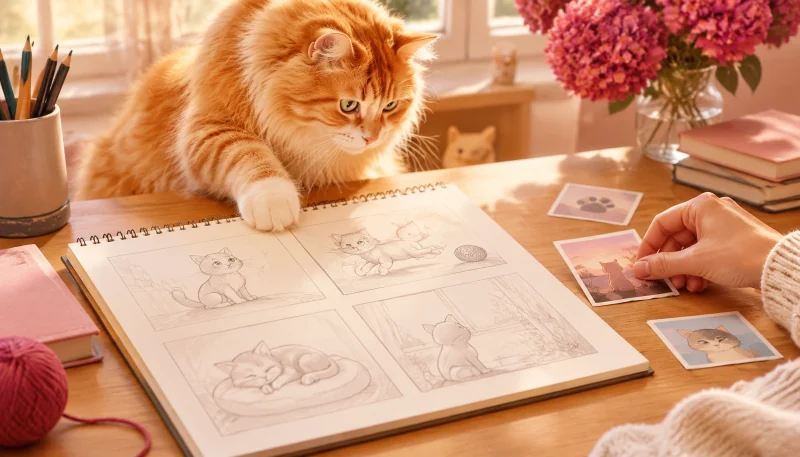
Sketch a wide, medium and close shot of the same pet action. Write what viewers should understand from each image.

Three-shot storyboards and continuity

Turn a story into a plan you can produce shot by shot.

Key points
  • Specify character, setting, one action and an ending frame for each shot. Avoid multiple scene changes within one shot.
  • Start the next shot from the previous ending frame. Check props, light and movement direction.
  • Review the storyboard before generation. Mark where reference photos, dialogue and ambience are needed.
Assignment

Create a three-shot storyboard with framing, main action and dialogue or sound. Mark one continuity risk for each shot.

02Hands-on production with PetA2A

4 lessons

Reference images and keyframes

Give each image a clear visual reference.

Key points
  • Separate character, setting and product references instead of combining them into a vague description.
  • Create one keyframe first. Check the pet, product markings, spatial relationships and extra limbs.
  • Keep approved images as later references and record revision reasons rather than redefining the character each time.
Assignment

Organize character, setting and product references. Write a keyframe description and five acceptance checks.

Video shots and action design

Control the action before adding camera movement.

Key points
  • Give each clip one main action with a clear beginning, progression and ending.
  • Describe camera movement separately from subject movement. Test a smaller version of complex motion first.
  • Confirm framing, duration, sound and budget before submitting. Review the asynchronous task result before deciding on another attempt.
Assignment

Turn one storyboard shot into a production brief covering the action, camera movement, duration, aspect ratio and sound.

Dialogue, sound and timing

Use sound to tell the story, not simply fill silence.

Key points
  • Read dialogue aloud before production. Specify speaker, language and emotion, leaving pauses for reactions.
  • Separate dialogue, ambience and music. Check that background music does not cover speech.
  • Review with headphones and a phone speaker. Check lip sync, captions, volume and abrupt endings.
Assignment

Write a sound plan for three shots with dialogue, ambience, music and planned pauses.

Editing rhythm and captions

Remove distractions and make the key moments clear.

Key points
  • Build a clear rough cut before refining reaction shots and pauses. Do not hide story problems with effects.
  • Check every caption against the dialogue. Keep line breaks meaningful and away from the pet's face.
  • Export a test in the intended format. Check the opening, ending, sound and frame edges on a phone.
Assignment

Write an editing checklist: keep three key actions, remove two pauses and plan title and caption positions.

03Ten pet content business directions

10 lessons

Pet product scene films

Show a product in an everyday situation people understand.

Key points
  • Confirm the product's real use, specifications and limits. Choose one situation suitable for a short film.
  • Show use through the pet's actions. Separate real functions from playful fiction without adding unverified benefits.
  • Have the merchant check product appearance, wording and scope before delivery so the story does not distort facts.
Assignment

Choose an owned or authorized product. Write a three-shot scene and list two product facts that must not be exaggerated.

Pet brand stories

Build a brand story around one real detail.

Key points
  • Confirm the brand's background, audience and public facts. Do not invent its history.
  • Choose a value that a pet and person can express together. Show an action instead of a slogan.
  • Keep tone, branding and the closing action consistent. Check rights before commercial use.
Assignment

Build an opening, turn and ending around one verified brand fact. Mark everything requiring brand approval.

Pet food storytelling

Present product information clearly and keep its limits visible.

Key points
  • Check ingredients, intended pets and feeding instructions against packaging and merchant materials. Do not infer health claims.
  • Plan opening, preparation or companionship scenes. A pet's reaction is not evidence of product efficacy.
  • Keep packaging and quantities accurate. Leave individual dietary decisions to qualified advice.
Assignment

Write an everyday scene for a pet food product. List sources, usable facts and exaggerated claims to remove.

Supplies, clothing and product demonstrations

Show how a product works and whom it suits.

Key points
  • Confirm size, materials, usage and limitations. Choose a product suited to the pet's build.
  • Break dressing, storage or play into clear steps. Avoid unsafe actions or animal discomfort.
  • Use close shots to show important details and retain merchant-approved sizing and precautions.
Assignment

Create a three-step demonstration storyboard with sizing checks, limitations and shots needing real-world verification.

Pet store and visit stories

Show what a real visit can offer.

Key points
  • Confirm the location, hours, services and booking method. Obtain venue permission before filming.
  • Build the story around arrival, experience and departure, highlighting one real service detail.
  • Protect customer and staff privacy. Have the store verify prices and offer conditions.
Assignment

Plan a visit film for a participating store. List filming permissions, service facts and the booking entry.

Grooming, boarding and service introductions

Set expectations through a clear service process.

Key points
  • Have the provider confirm intake, eligibility, handover details and pricing limits.
  • Show the process through the setting, staff actions and handover records. Do not promise identical outcomes for every pet.
  • Prioritize animal comfort. Leave unverifiable qualifications or outcomes out of the copy.
Assignment

Create a service storyboard covering customer preparation, the service process and final handover information.

Factories, supply chains and product craft

Make a production process understandable on screen.

Key points
  • Confirm which processes, equipment and information the supplier permits you to show. Exclude confidential material.
  • Choose three points across materials, production and inspection. Do not invent capacity or certifications.
  • Distinguish recorded production from conceptual scenes. Have the supplier verify processes and specifications.
Assignment

Turn one public production step into a three-shot explanation. Mark recorded footage, illustration and facts needing verification.

Multilingual content and localization

Translate the language and check the local context.

Key points
  • Choose one target market and language. Check forms of address, units, dates and product suitability.
  • Keep the story goal and character while adapting dialogue length, caption rhythm and understandable humor.
  • Ask a local-language reviewer to check sensitive wording and product facts. Do not present unverified data as market findings.
Assignment

Adapt the same three-shot story into two languages. Mark three phrases or situations needing local review.

Creator partnerships and content briefs

Make the desired content and partnership terms concrete.

Key points
  • Define audience, product and content goals before choosing a pet type and creator style.
  • Put quantity, duration, schedule, revisions and usage rights in one brief.
  • Proceed after both parties confirm key terms. A suitable style does not mean the creator has agreed to collaborate.
Assignment

Prepare a pet creator brief listing required deliverables, negotiable terms and questions both parties must confirm.

Pet character series and account planning

Let the next episode belong to the same character.

Key points
  • Keep personality and setting consistent. Design recurring conflicts with a fresh variation each time.
  • Maintain an idea list, asset records and publishing plan. Confirm account access separately from production duties.
  • Improve the work with actual feedback. Do not turn one video's views into a promise of steady income.
Assignment

Plan three episodes for your pet with recurring traits, each episode's contrast and the visual elements that stay consistent.

04Portfolio, pricing and delivery

4 lessons

Film quality and continuity review

Turn quality into checks you can actually perform.

Key points
  • Check appearance, props, lighting and direction shot by shot. Record the time of each issue.
  • Watch the whole story once, then review images, dialogue, captions and sound separately.
  • Separate required fixes from discussion points. Schedule new production only for clearly identified problems.
Assignment

Build a review sheet for one short film with three specific issues, timestamps and actionable corrections.

Portfolios and case presentation

Help others understand what you contributed.

Key points
  • Choose representative work and explain the goal, your role and the methods you actually used.
  • Organize references, storyboards, process work and the final film with source and permission records.
  • State whether the work is practice, collaboration or a delivered project. Do not invent clients or results.
Assignment

Write a case page for one work with its goal, your role, process materials, final film and rights information.

Briefs, pricing and project delivery

Agree on scope before production begins.

Key points
  • Translate the client's goal into quantity, specifications, schedule and acceptance criteria. State excluded work upfront.
  • Check generation, labor, revision and external asset costs. Price concrete deliverables rather than guaranteed outcomes.
  • Deliver files with version numbers and revision records. Confirm usage rights before public display.
Assignment

Create a delivery checklist for a pet film with specifications, revisions, asset responsibilities, schedule and acceptance method.

Publishing preparation and review

Check before publishing and learn from actual results.

Key points
  • Check title, cover, captions, description and visibility. The account owner must confirm publication.
  • Check platform requirements for music, products, people and generated content labels. Keep the final version.
  • Record actual feedback and a hypothesis for the next revision. One result does not establish guaranteed growth.
Assignment

Write a pre-publication checklist and three review questions about the story, sound and audience understanding.

05Two-day workshop

2 lessons

Workshop day one: character and story

Turn an idea into a storyboard around one pet.

Key points
  • Bring pet photos you may use. Confirm equipment, permissions and practice goals at the venue.
  • Discuss character, story and shots in small groups. Keep an editable written result at each step.
  • Before finishing, review story clarity and shot feasibility. Identify what must be resolved on day two.
Assignment

Prepare a team practice brief with a character card, three-sentence story, three-shot storyboard and open questions.

Workshop day two: production and review

Organize the production process and work you can present.

Key points
  • Use day one's storyboard to plan references, shots and sound. Confirm actual tool costs before production.
  • Review usable shots before editing. Record generation delays or failures and next steps without claiming unfinished work is complete.
  • Present the goal, process, issues and revision plan. Review what was actually produced.
Assignment

Present current usable work, review notes and next steps. Mark unfinished parts clearly; enrollment alone does not mean completion.

Build my portfolio

Publish a work after each lesson. With 10 works you can submit your portfolio for review and apply for a certificate.

Start with your own work
Pet assistantAI support